

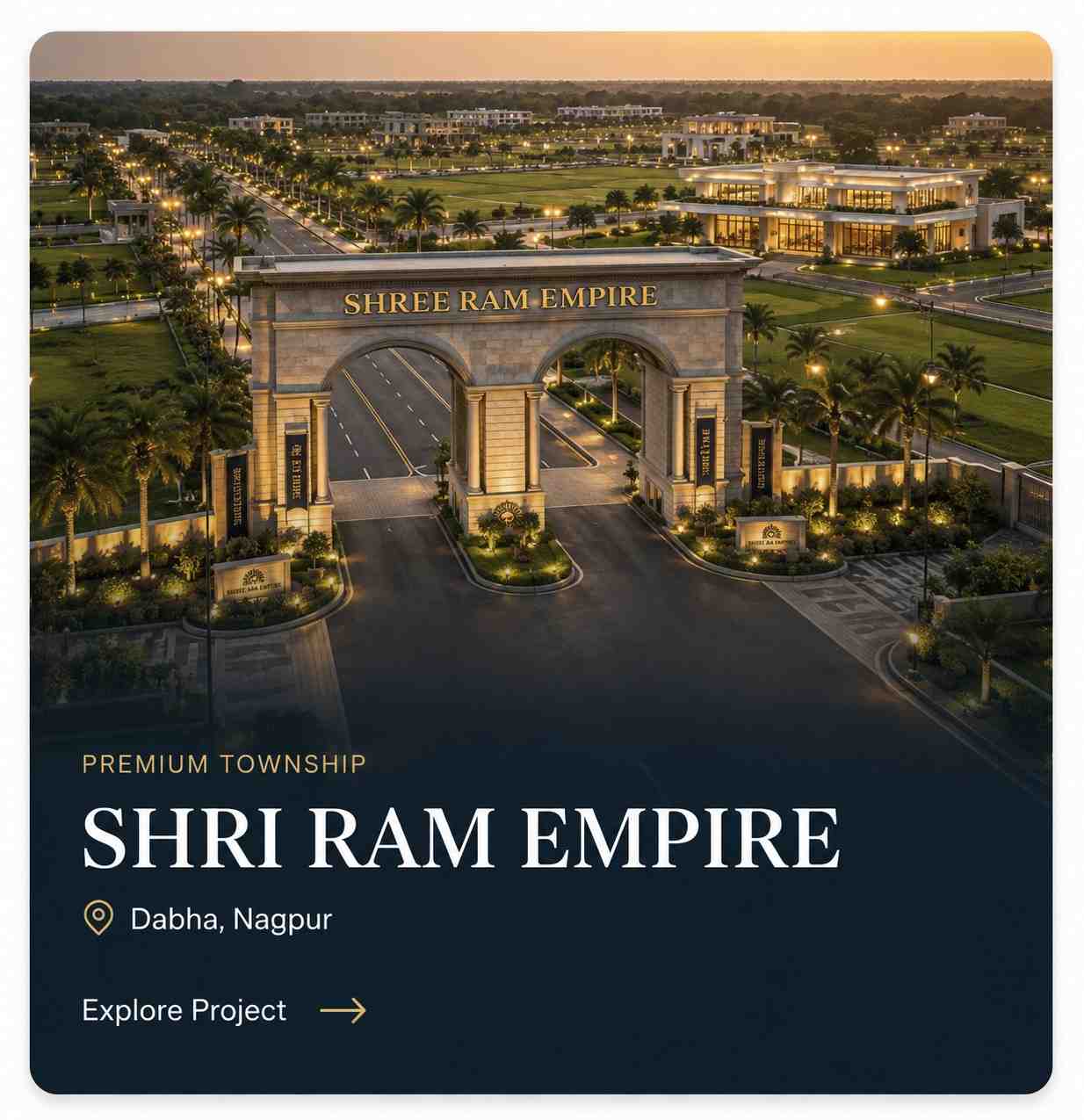






Introduction
“Sona gir sakta hai, chandi toot sakti hai, share zero ho sakta hai, lekin property ki kimat hamesha badhti hai.”
Most Indian families have heard some version of this line, whether at a wedding, over a family dinner or while a relative explains where to park savings. It stays popular because it matches something people can see. Land does not disappear, and a plot bought by one generation is often still standing, and often more valuable, when the next one inherits it.
But the word hamesha (always) deserves a closer look. Property prices do not rise every year, in every city or in every locality. Some locations stagnate for years. Some projects get stuck over legal problems. Some plots become hard to sell because of weak documentation. The more useful truth is that property can be a strong long-term asset when the location, legality and timing are right.
That is the idea this article explores. It explains how gold, silver, stocks, mutual funds and real estate differ. It looks at why many investors still prefer tangible assets like land, and why property investment in Nagpur has drawn so much attention. It also covers the checks you should make before buying a plot.
There is a real difference between a financial asset, which exists as a market price or a certificate, and a tangible asset, which you can walk onto, measure and build on. Neither is automatically better. Each suits a different investor, goal and time horizon.
Understanding Different Types of Investments
Before comparing assets, it helps to see what each one actually is.
Gold
Gold has been a store of value in Indian households for centuries. It is bought as jewellery, coins, bars, gold ETFs or government-backed paper products. Its price moves with global demand, currency rates, interest rates and investor sentiment. It is popular as a hedge in uncertain times, but it earns no rent or dividend, and physical gold carries making charges and storage concerns.
Silver
Silver is both a precious metal and an industrial input, so its price reflects investment demand as well as manufacturing demand. It is usually more volatile than gold. It suits investors who understand commodity cycles, not those looking for a quiet, steady holding.
Stock Market and Mutual Funds
Shares represent part-ownership in a business. Equity can reward patient investors through business growth and dividends, but prices can fall sharply, and individual stocks can lose most or all of their value. Mutual funds spread money across many securities and are managed by professionals. They reduce single-stock risk but remain subject to market risk. As SEBI’s standard reminder says, mutual fund investments are subject to market risks.
Residential Real Estate
This covers apartments, row houses and independent homes. Buyers may use them to live in or to rent out. Value depends on location, construction quality, builder credibility and neighbourhood development. Maintenance, society charges and property tax are ongoing costs.
Commercial Real Estate
Shops, offices and showrooms can generate rental income, and their value is tied closely to local business activity. They usually need a larger investment and carry more vacancy risk than residential property.
Land and Plotted Developments
Plots are unconstructed parcels, often in planned layouts. The buyer owns the land and decides when, and whether, to build. There is no construction to depreciate and generally little maintenance, but legal verification and location choice matter even more here, because the land is the entire asset.
Gold vs Real Estate: Which Investment Should You Consider?
Searches for gold vs real estate investment in India usually seek one winner. Honestly, there is no universal answer. The two assets do different jobs in a portfolio.
Tangible ownership. Both are physical. Gold can be held in a locker, while land is fixed in a place and can be used, such as for building a home, a shop or a farmhouse. Gold is portable, but land is usable.
Liquidity. Gold is far easier to sell. A coin or an ETF unit can be converted to cash quickly. A plot may take weeks or months to sell at a fair price, and the process involves documents, registration and negotiation. If you may need money at short notice, this difference matters.
Maintenance and holding costs. Gold has storage, insurance and sometimes locker charges. Plots have fewer recurring costs, but you still need to protect the land from encroachment and pay applicable taxes and charges.
Price fluctuations. Both can be volatile. Gold prices respond to global events within hours. Property prices move more slowly and locally, so they are less visible day to day. A slower-moving price can feel steadier, but the lack of daily quotes does not mean an absence of risk.
Potential appreciation. Gold appreciation depends on global market trends. Land appreciation depends on local factors such as infrastructure, connectivity and demand, and it can be strong in developing corridors. Neither is guaranteed.
Income-generating possibilities. Gold produces no income unless you use specific financial products. Real estate can produce rent, mainly from constructed property, and sometimes from land through lease or commercial use.
Investment horizon. Gold suits both short-term hedging and long-term holding. Land generally works best when you can wait several years, because of transaction costs and slower resale.
The balanced view: Gold offers liquidity and global acceptance. Land offers usability and location-driven growth. Many experienced investors hold both. The right mix depends on your income, goals and need for cash.
Stock Market vs Property Investment
The real estate vs stock market debate is rarely about which asset is “better”. It is about which risks you can live with.
Market volatility. Stock prices change every trading day and can react sharply to news, global events or earnings. Property valuations change slowly and are not quoted daily. Neither is risk-free, but they feel different.
Liquidity. Listed shares can usually be sold within a trading day. Property takes longer, which is the clearest drawback of real estate for anyone who may need quick access to funds.
Capital requirements. You can start investing in equities or SIPs with small amounts. A plot requires a larger one-time sum, though home loans or staged payment plans can ease this. Property also carries registration costs and applicable taxes in addition to the price.
Long-term approach. Both assets tend to reward patience. Equity investors often rely on compounding and regular investing. Land investors rely on location growth over many years. In both cases, short-term exits can be costly.
Emotional decision-making. A real estate investor cannot check the price on a phone every morning, which can protect against panic selling. A stock investor sees daily swings and may react emotionally. On the other hand, property buyers sometimes act on social pressure or fear of missing out, which can lead to poor purchases.
Diversification. Mutual funds and index funds spread risk across dozens of companies. A single plot concentrates risk in one location and one legal title. This is why due diligence matters so much in land.
Potential returns and risks. Equities can offer strong long-term growth with real risk of capital loss. Property can appreciate well in the right corridor, but may stay flat in the wrong one. Past performance of either does not predict the future.
Some investors prefer equities for liquidity and low entry cost. Others prefer land for its tangibility and the control it gives them. A sensible portfolio often includes both, along with emergency savings and insurance. For personalised advice, consult a SEBI-registered investment adviser or a qualified financial planner.
Why Land Is Considered a Valuable Long-Term Asset
The question why is land considered a long-term investment? has a practical answer. Land is finite, and demand for it in well-connected places keeps growing.
Limited Supply in Good Locations
A city can expand, but the land close to workplaces, highways, schools and hospitals is limited. As desirable locations fill up, buyers look further out, and well-placed parcels can become more valuable.
Infrastructure and Connectivity
Roads, flyovers, metro lines, ring roads, water supply and power infrastructure all change how useful a location is. A plot that was once remote can become convenient after a new road or public transport link. Investors often study planned infrastructure to understand where demand may move.
Population and Residential Demand
Cities attract people for jobs, education and healthcare. Growth in households creates demand for housing, and plotted layouts appeal to families who want independent homes with their own design.
Commercial Development
Where shops, offices, warehouses and service businesses cluster, nearby land often gains commercial relevance. Growth in commercial activity can raise land values around it, subject to land-use rules.
Potential for Future Use
Land is flexible. A buyer can build a home later, hold the plot for a child’s future, or in some cases put it to commercial use where permitted. This adaptability is part of the appeal.
Long-Term Ownership
Land does not wear out the way a building does. A well-documented plot can stay in a family for generations, which is why many people see it as legacy wealth.
The Honest Caveat
Appreciation is not guaranteed. Land values depend on the micro-location, legal status, market cycles, interest rates, and government policies and planning decisions. Some areas have seen strong growth, while others have seen little. A plot bought without checking these factors can become a liability. The right land, not just any land, builds long-term value.
Why Nagpur Is Attracting Real Estate Attention
When investors search for the best property investment in Nagpur, they usually find the same set of reasons. Here are the factors that shape the city’s real estate conversation, with a note that specific project timelines and figures should always be checked against official sources.
A Central Geographic Position
Nagpur sits at the geographic centre of India, and the Zero Mile Stone in the city marks this position. It is also known as the Orange City. This central location makes the city naturally important for road, rail and air logistics, and it has long supported Nagpur’s role as a trading and transport hub.
MIHAN and Employment
The Multi-modal International Cargo Hub and Airport at Nagpur (MIHAN) is one of the city’s best-known development zones. It combines the airport with a Special Economic Zone, and has been associated with IT, aviation-related and industrial activity. Employment hubs matter to real estate because jobs bring residents, and residents need homes. For current details on occupancy and projects, refer to MADC’s official communications.
Wardha Road Connectivity
Wardha Road is one of Nagpur’s most important growth corridors. It links the city to the airport and MIHAN area to the south and continues towards Wardha. Many residential and commercial developments have taken shape along and around it. For plot buyers, this corridor often features in research, though each specific location still needs individual checking.
Nagpur Metro
The Nagpur Metro, run by Maha Metro, has added a modern public transport option to the city. Metro access can change how convenient a locality is, particularly for office-goers and students. Refer to Maha Metro’s official website for current lines, stations and expansion plans.
Outer Ring Road and Highway Network
Nagpur is connected by major national highways, and the Outer Ring Road is meant to ease traffic and improve access around the city. Highway and ring road links can influence how outer areas develop, since better access often draws housing and commercial interest. NHAI and the Government of Maharashtra publish authoritative updates on road projects.
Education and Healthcare
The city has a range of universities, engineering and management institutions, and medical colleges and hospitals that draw patients from across the region. These institutions create steady demand for housing and services, from student accommodation to family homes. Property Investment in Nagpur
Industrial and Commercial Growth
Industrial areas, logistics operations and a growing services sector add to the city’s economic base. As commerce grows, demand for commercial plots, warehouses and retail space can follow.
Residential Expansion and Plotted Developments
As the city grows outward, many families look for plots in planned layouts where they can design their own home. This preference for plotted developments has become a visible part of the Nagpur real estate landscape, especially in developing areas.
How Infrastructure Influences Demand
The pattern is consistent. A new road, a metro station or an employment hub improves accessibility. Better accessibility makes a location more convenient, and convenience tends to attract buyers. But this link is not automatic or immediate. Delays, policy changes and oversupply can all affect outcomes.
That is why a careful buyer looks past advertising claims and studies how a specific location actually connects to jobs, schools, hospitals and highways. Bhumesh Realtors encourages buyers to do exactly this, to visit the site, compare options and ask questions before committing.
Why Residential Plots Can Be an Interesting Investment Option
If you have been asking is buying a plot in Nagpur a good investment?, here are the reasons many buyers find residential plots in Nagpur attractive, and the cautions that go with them.
Flexibility in construction. With a plot, you decide the design, size, layout and budget of the house, within the permitted building rules. Apartment buyers do not have that freedom.
Personal ownership. A plot gives you direct ownership of land, which many buyers value emotionally and financially.
Future residential use. You might not build today. A plot can wait while you save for construction, and be used later for your own home or for a family member.
Potential appreciation. In growing corridors, plot values may rise over time as infrastructure and demand develop. This is a possibility, not a promise.
Lower maintenance compared with constructed property. An empty plot has no building to repair or repaint. You still need to keep it secure and demarcated, but ongoing costs are generally lower than for a built property.
Choice of construction timing. You decide when to build. This lets you match construction to your finances rather than a builder’s delivery schedule.
The importance of approved layouts. This is critical. A plot in a layout approved by the competent authority, with proper roads and clear title, is a very different asset from one in an unapproved or disputed layout. Approval affects construction permission, utilities, bank finance and resale.
The Risks to Weigh
Plots carry real risks. Titles can be disputed. Layouts can lack approvals. Development in the area may be slower than promised. Resale can take time, and an unused plot can attract encroachment. A plot also earns no rent while it sits empty. These risks are manageable with due diligence, but they should never be ignored.
Commercial Plots vs Residential Plots
Investors exploring commercial plots in Nagpur should understand how they differ from residential ones.
Intended usage. Residential plots are for homes. Commercial plots are meant for shops, offices, showrooms, clinics, warehouses or other business use, where permitted.
Location requirements. Commercial plots depend heavily on visibility and footfall. A good residential address can be quiet and tucked away, but a commercial plot usually needs a prominent position.
Road connectivity. Wide, well-connected roads matter far more for commercial land. Truck access, parking and approach roads can decide whether a site is workable.
Commercial activity in the vicinity. Nearby businesses, institutions and traffic generate demand. A commercial plot in an area without any commercial activity may be hard to use or sell.
Investment considerations. Commercial plots typically need larger capital and a longer horizon. Returns depend on how the area’s business activity develops, so the risk of a poor choice is also higher.
Potential income opportunities. Commercial land can be developed or leased to generate income, which residential plots usually cannot do on their own.
Permissions and land-use restrictions. Commercial use is subject to zoning and development rules. Land classified for residential use cannot simply be used for commercial purposes. Always confirm the sanctioned land use with the competent authority before buying.
Residential plots usually suit personal or family goals. Commercial plots suit investors who understand business-driven demand and can commit more capital.
Important Things to Check Before Buying a Plot in Nagpur
This is the most important section of the article. Many property problems begin with skipped checks. Use this as a working checklist, and have a qualified lawyer confirm each item.
1. RERA Registration and Applicability
Under the RERA Act, real estate projects that meet certain thresholds, including plotted developments above a specified land area, must register with the state regulator. In Maharashtra this is MahaRERA. Check whether the project is registered, and read the details on the official portal. Not every small plot sale falls under RERA, so ask whether the specific project is covered.
2. NMRDA or Competent Authority Layout Approval
Depending on the location, the competent authority may be the Nagpur Metropolitan Region Development Authority (NMRDA), the Nagpur Municipal Corporation or another body. Confirm which authority governs the land, and ask for the sanctioned layout approval.
3. Land Title Verification
Confirm that the seller has clear and marketable title. A lawyer should trace ownership through past documents and check for disputes, co-owners or pending litigation.
4. Encumbrance Checks
An encumbrance search shows whether the property has registered loans, mortgages or other claims against it. Do not buy until this is clear.
5. Sanctioned Layout Plan
Compare the plot you are shown with the sanctioned layout plan, including dimensions, plot number and roads. Verbal descriptions are not enough.
6. Land-Use Classification and Zoning
Check whether the land is zoned for residential, commercial or another use, and whether it has been properly converted from agricultural use where required.
7. Access Roads
Confirm legal, usable road access, not just a verbal assurance. A plot without proper access is hard to build on and hard to sell.
8. Physical Site Inspection
Visit the site yourself, more than once if possible. Check the boundaries, surroundings, drainage and the actual condition of the land.
9. Development Infrastructure
Ask about internal roads, water supply, drainage, electricity and street lighting, and what is already in place versus only promised.
10. Sale Agreement and Registration
Read the agreement carefully before signing. Check payment terms, possession timelines and cancellation conditions. The sale must be properly registered to be legally recognised.
11. Applicable Taxes and Charges
Budget for stamp duty, registration fees and any other applicable charges. Rates and rules change, so confirm current figures with the registration authority or a professional.
12. Professional Legal Verification
Hire an independent property lawyer to review all documents.
One point deserves emphasis. RERA registration is a valuable layer of protection, but it does not replace your own legal due diligence. Registration does not guarantee that every document is flawless, or that title issues are absent. Independent verification is the buyer’s responsibility, and any reputable consultant should encourage it.
Common Mistakes to Avoid While Investing in Land
Even careful people make avoidable errors. Watch for these.
Buying only because the price is low. A cheap plot often has a reason. It may lack approvals, access or clear title. Price should be one factor among many.
Ignoring documentation. Skipping paperwork review because “everyone else has bought here” is a common and costly mistake.
Trusting verbal promises. Assurances about future roads, approvals or appreciation mean little unless they are in writing. If a promise matters, it should be in the agreement.
Ignoring location. The same budget can buy very different outcomes in different areas. Study the surroundings, access and growth direction, not just the plot.
Not checking road access. Confirm that the approach road is legally usable and wide enough for your needs, now and in future.
Buying without visiting the site. Photos, videos and brochures cannot replace an on-site visit.
Ignoring resale potential. Ask yourself who would buy this plot from you in future and why. Plots in recognised, accessible, well-documented areas are generally easier to resell.
Investing without financial planning. Do not stretch finances, drain emergency savings or take on a loan you cannot comfortably repay. Plot investment works best with surplus funds and a patient horizon.
Is Property Investment Suitable for Everyone?
Real estate is not right for every investor, and an honest article should say so.
Capital requirements. Plots need a substantial upfront amount compared with SIPs or small gold purchases. Costs beyond the plot price, such as registration, legal fees and later construction, add to the total.
Liquidity limitations. If you may need cash within months, land is a poor choice. Selling takes time, and a rushed sale can mean a lower price.
Holding period. Land generally rewards patience. If your horizon is a year or two, transaction costs may outweigh gains.
Transaction costs. Stamp duty, registration, brokerage and legal fees can be significant, especially if you buy and sell within a short period.
Market risks. Property cycles exist. Prices can stay flat or fall in some micro-markets, and regulatory or policy changes can affect outcomes.
Individual financial goals. Someone saving for a child’s education in three years has different needs from someone building long-term family wealth over fifteen years.
For many people, a balanced approach works best: emergency funds first, adequate insurance, a mix of equity and debt, some gold, and real estate where it fits. A qualified financial adviser can help you decide how much, if any, belongs in property.
Why Choose a Trusted Real Estate Consultant?
Because a plot purchase involves a large sum and a lot of paperwork, the people guiding you matter. A good real estate consultant adds value in six ways:
Transparency. Clear answers about pricing, charges, approvals and risks, including uncomfortable ones.
Verified information. Facts that can be checked against documents and official records, not just brochures.
Proper documentation. Help in understanding and gathering the paperwork you need, and a willingness to let your lawyer review everything.
Location knowledge. Practical understanding of Nagpur’s corridors, how areas are developing and what to look out for locally.
Customer support. Availability before and after the sale, including help with site visits and process questions.
Clear communication. Plain language, no pressure and no exaggerated promises.
Bhumesh Realtors is a Nagpur-based real estate marketing company focused on residential and commercial plotted developments, including projects around Wardha Road and other developing parts of the city. Its approach is built on trust and transparency, summed up in its slogan, A Tradition Of Trust. As with any purchase, buyers are encouraged to verify project approvals, review documents and take independent legal advice.
Conclusion
The old saying that gold can fall, silver can break and shares can go to zero captures a real human instinct: the desire to own something solid. Land answers that instinct. You can see it, visit it and, eventually, build on it.
But the saying hides an important truth. Property is not a guaranteed winner. Property Investment in Nagpur Its value depends on where it is, what documents support it and how patiently you hold it. A well-chosen plot in a growing, well-connected area with clear title and proper approvals can become a meaningful part of a long-term financial plan. A poorly checked one can become a long-term headache. Property Investment in Nagpur
So the real lesson is not that property always rises. It is that informed buyers make better decisions than hopeful ones.
Gold can shine, stocks can fluctuate, but land gives you something tangible to own. The right property, in the right location, with the right documentation, can become an important part of your long-term financial journey.
If you are considering residential or commercial plots in Nagpur, explore the options at bhumeshrealtors.com, visit the sites and ask questions before you decide. Property Investment in Nagpur
Bhumesh Realtors – A Tradition Of Trust!
Frequently Asked Questions
1. Is property a good long-term investment in India?
Property can be a good long-term investment when bought in a well-connected location with clear title and approvals. Many investors value it for its tangibility and potential appreciation over time. However, returns are not guaranteed, liquidity is low, and outcomes vary widely by city and locality. It works best as part of a diversified portfolio.
2. Is buying a plot in Nagpur a good investment?
It can be, depending on the location, approvals and your holding period. Nagpur’s central position, MIHAN, metro and highway connectivity have drawn buyer interest. Still, appreciation depends on local development and market conditions. Study the micro-location carefully, verify the legal status and invest only with a long-term view.
3. Is real estate better than gold?
Neither is universally better. Gold is more liquid and easily traded, while land is usable and can benefit from local infrastructure growth. Real estate needs more capital and takes longer to sell. Your goals, cash needs and risk appetite should decide the mix, and many investors hold both.
4. What is the difference between investing in gold and land?
Gold is a portable commodity whose price is driven mainly by global factors, and it generates no income. Land is a fixed, location-specific asset whose value depends on local development, legality and demand. Gold sells quickly. Land takes longer to sell but can be put to personal or commercial use.
5. Is property investment safer than the stock market?
Not necessarily. Property prices move more slowly and are not quoted daily, which can feel steadier, but real estate has its own risks, including legal disputes, low liquidity and location-specific downturns. Equities are more liquid but more volatile. Safety depends on how well you research and how long you can stay invested.
6. What are the benefits of buying residential plots?
Residential plots offer freedom to design and build your own home, direct land ownership and the option to construct when your finances allow. Maintenance costs are generally lower than for a built property. Plots in approved layouts may also appreciate with area development, though this is never assured and risks remain.
7. What should I check before buying a plot in Nagpur? Property Investment in Nagpur
Check RERA registration where applicable, layout approval from the competent authority, clear land title, encumbrance records, sanctioned layout plans, land-use zoning, road access and available infrastructure. Visit the site in person, read the sale agreement carefully, budget for taxes and charges, and get an independent lawyer to verify all documents.
8. What is the difference between RERA and NMRDA approval?
MahaRERA is the state real estate regulator that registers eligible projects and protects buyers through disclosure and compliance requirements. NMRDA is a planning and development authority for the Nagpur Metropolitan Region, which sanctions layouts and regulates land use within its area. They serve different purposes, so confirm both where applicable, along with legal checks.
9. Which factors influence land prices in Nagpur?
Key factors include location, road and highway connectivity, metro access, proximity to employment hubs like MIHAN, schools and hospitals, available utilities, zoning, legal clarity and overall demand. Government policies, interest rates and the pace of nearby development also play a role. These factors vary by area, so always evaluate each plot individually.
10. Is commercial land a good investment option?
Commercial land can offer income and growth potential in areas with strong business activity and good road access. However, it needs larger capital, a longer horizon and careful checks on zoning and permitted use. Demand depends on local commerce, and returns are uncertain, so thorough research and professional advice are essential.
Bhumesh Realtors
Trusted real estate company in Nagpur since 2018, offering NMRDA & RERA approved plots with up to 90% bank loan assistance. Over 3,000+ plots sold across prime Wardha Road locations.
Address: 1st Floor,Above Kia Showroom Beside Airtport Center Point Hotel, Wardha Road Nagpur, 440025
Phone: +0712 2222712 +919370159082
Website: https://bhumeshrealtors.com/
Email: digital.bhumesh@gmail.com contact@bhumeshrealtors.com
You tube link: https://www.youtube.com/@bhumeshrealtors5206
Instagram : https://www.instagram.com/bhumesh_realtors/
Twitter : https://x.com/BhumeshRealtors
Facebook : https://www.facebook.com/bhumeshrealtors/
Linked in : https://www.linkedin.com/company/bhumesh-realtors/